
Single Car Accidents Liability

March 9, 2021

What Drivers Should Know About Single-Car Accident Liability

A single-car accident involves one vehicle. The car could hit a stationary object, such as a tree or a concrete barrier at the side of the road. The driver may also leave the pavement after losing control and end up in a ditch or become stuck. Single-car accidents can also involve rollovers or other loss of control incidents.


Most people assume that because there is only one vehicle involved in this type of incident, the driver is always liable. Though reckless, impaired, or inattentive driving may be to blame, it is not always the case. Other factors could be partially or fully to blame for the mishap.


The question of liability in a single-car accident can be important if there is property damage, for vehicle insurance payouts, or medical costs.

Here is what to consider if you have been involved in a single-vehicle accident.


Why Is Liability Important in a Single-Car Accident?

Insurance laws vary by state. Some states require you to have liability insurance to cover any damage that you cause while driving. In others, you may have to pay for any damage you cause out of pocket if you do not have coverage.


Furthermore, depending on the factors involved in the accident, you may be liable for traffic tickets, fines, or charges for reckless driving or driving under the influence of drugs or alcohol.


If you face such charges after a single-vehicle accident, you need to enlist the help of an attorney. You may also need professional legal help if you are injured, or your vehicle is damaged, and you are seeking to establish liability for insurance purposes.


Even if your insurance covers the damages of a single-car accident, if you are found liable, your premiums could rise. This means you will need to pay more for the same coverage each month.


Factors Affecting Liability in a Single-Car Accident

You shouldn't assume that you are liable for a single-car accident, even if the incident involved you losing control of the vehicle. Here are some examples of factors that can affect liability.


Weather

Snow and ice can cause a loss of control, as can wet roads, fog, and high winds. Even sunlight shining directly in your eyes at a low angle can cause vision problems that could lead to a loss of control of the vehicle.


While it is still up to the driver to observe safe driving practices and lower speed in poor weather, in some cases, the accident is beyond the driver's control.


Animals

You may need to swerve to miss an animal that is crossing the highway, or you might make contact with a large creature, such as a deer, and damage your vehicle. If you can establish that you were driving reasonably for the conditions, such an incident may be unavoidable in the eyes of an insurance company.


Vehicle Defects

A loss of control may be due to a malfunction in vehicle either because of defect from the manufacturer or an improper repair job. These flaws may be more common than you think. For example, a recent airbag recall affecting 42 million vehicles is associated with at least 400 injuries.


Road Flaws

Issues with the road, such as potholes, malfunctioning traffic signals, or improper drainage, can also cause single-car accidents. In some cases, the liability may fall on the agency responsible for caring for the roads. In incidents like this, it is essential to document the damage as soon as it is safely possible to do so. If you hire a lawyer, they can help collect such evidence.


Unmarked Hazards

Items that have fallen off other vehicles could cause a single-car accident. This could include cargo from a truck, parts from an improperly maintained car, rubber from a blown-out tire, and glass or metal from a previous accident.


Snow, ice, or water from other vehicles can also cause vision problems or require you to perform an aggressive maneuver to avoid an accident.


The details of accidents involving these factors are very important. Liability may depend on whether or not you were driving responsibly for the given conditions at the time of the accident.


Steps After a Single-Car Accident

Law enforcement officers and insurers may start off with the assumption that you are at fault in a single-car accident. They will check for reckless driving, drugs or alcohol, and distractions, such as a cell phone.


At the same time, you will want a record of the incident, so you should call the police even if you are not injured. In many states, you are required to notify law enforcement if you have been in an accident, especially if there has been property damage.


A police report will document the conditions, location, and damage. They will also record property damage, which can be important if the property owner seeks compensation.


A good lawyer will help you record all the details of the incident. They will define what you were doing and how you were driving before the accident. They can also get statements from witnesses and collect other evidence, such as pictures of defects in the road.


You should not repair your vehicle until it gets inspected. In addition to looking for potential vehicle defects, an expert can use the damage as evidence of what happened during the accident.


This evidence can help establish liability, protect you from charges of reckless or inattentive driving, and introduce factors that law enforcement and insurance investigators might have missed.


How to Ensure Your Rights After a Single-Car Accident

People in single-car accidents have the same rights as victims of multiple-car incidents. An experienced accident and personal injury lawyer can help you establish the causes and factors involved in your accident. They can advise you about issues related to liability and ensure you get the insurance coverage provided by your policy.


Liability laws, accident reporting requirements, and insurance rules vary from state to state, so getting a lawyer with local knowledge is essential to getting a successful resolution to your case.

Yellow
January 1, 2026
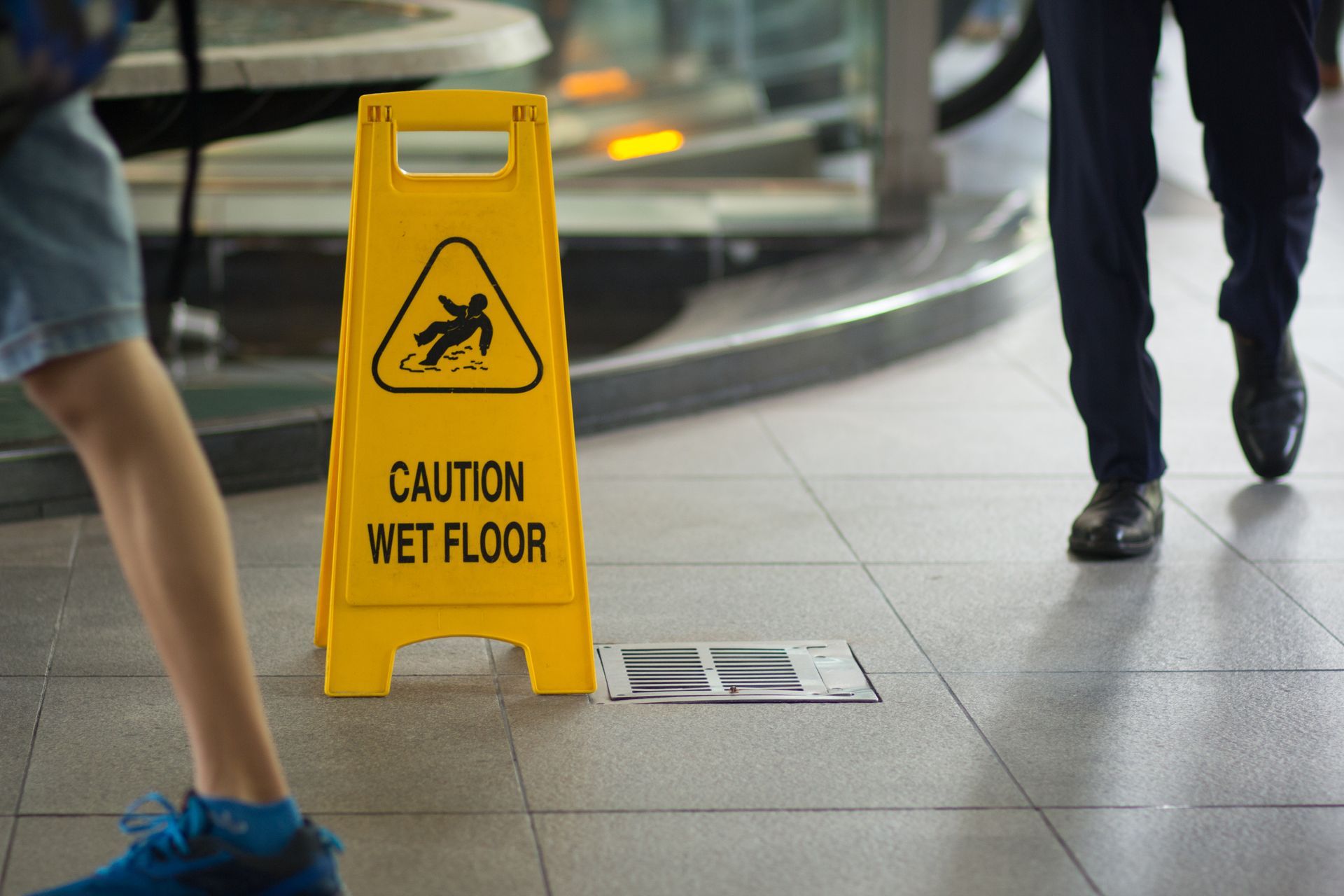
Who is liable for a slip and fall in Florida? Learn how property owners can be held responsible under Florida law. Contact Blaise Law Office in Pompano Beach for experienced slip and fall representation. Call 954-388-5300 today.
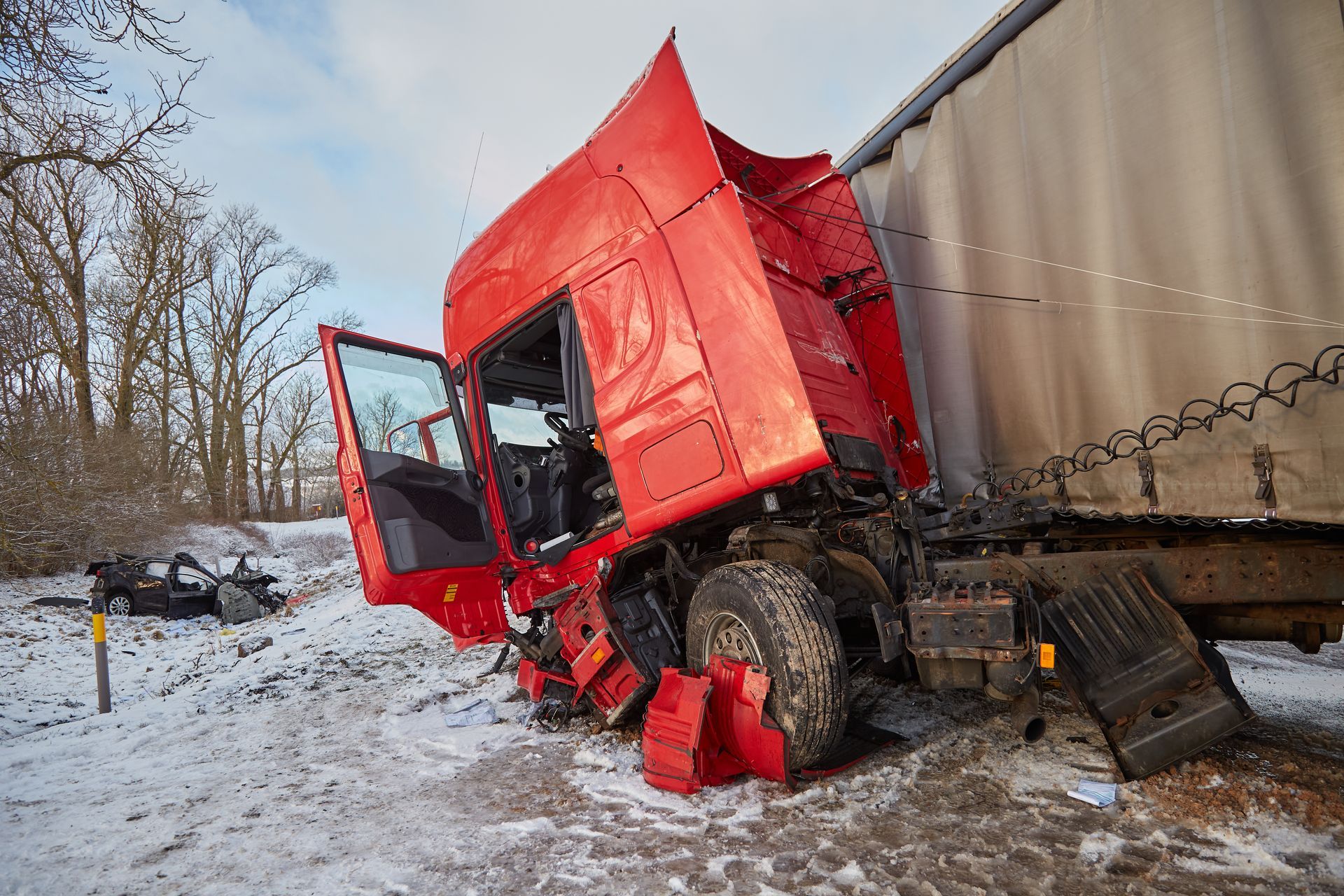
Red semi-truck cab damaged and tilted, colliding with trailer on snowy roadside.
December 4, 2025
Learn what to do after a truck accident in Florida. Blaise Law Office in Pompano Beach helps victims recover compensation for injuries, lost wages, and emotional distress. Call 954-388-5300 today.
People holding white roses near a closed casket at a funeral.
November 6, 2025
Learn what families should know before filing a wrongful death claim in Florida. Blaise Law Office in Pompano Beach helps families seek justice and fair compensation after a tragic loss. Call 954-388-5300 today.
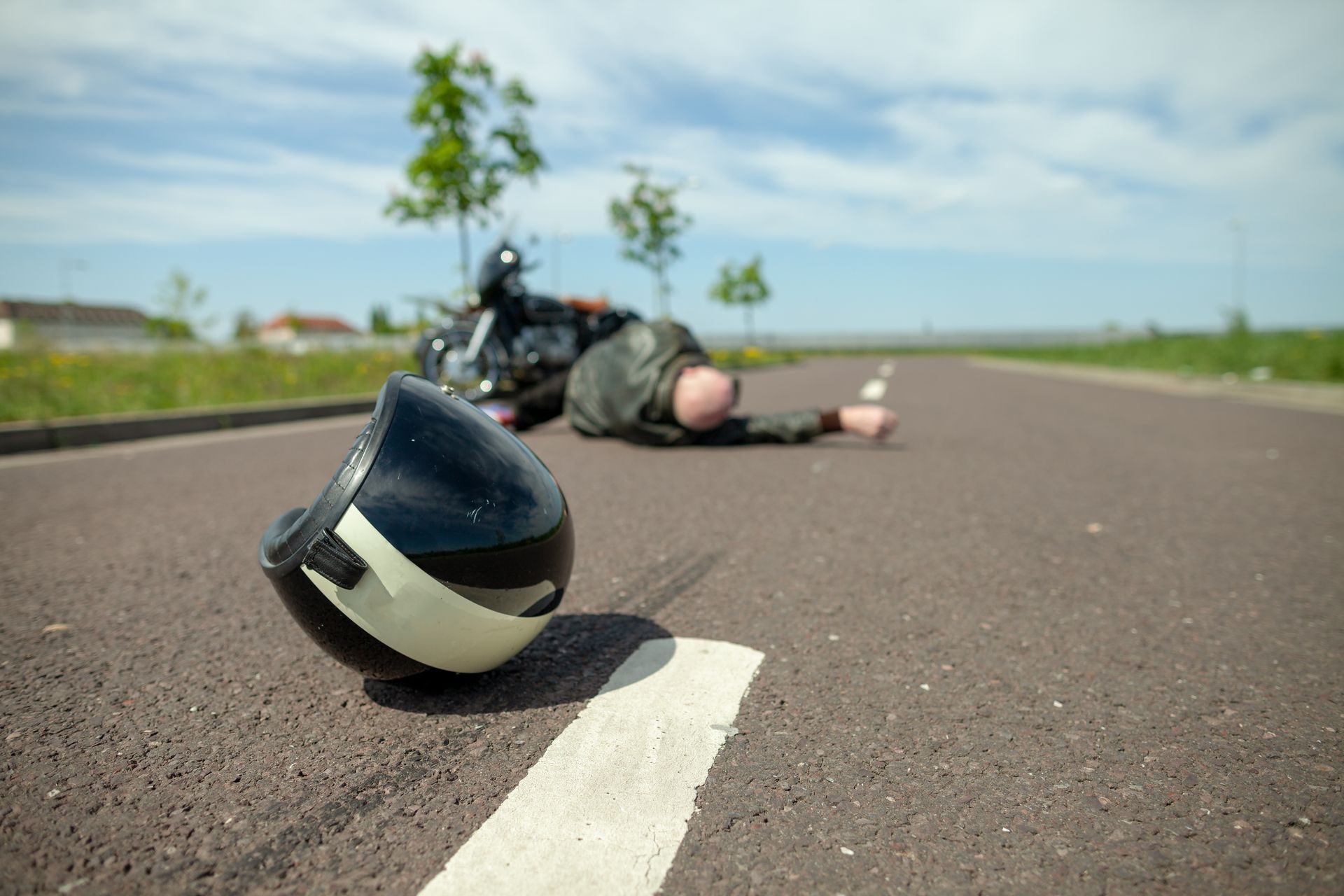
A man is laying on the side of the road next to a helmet.
September 18, 2025
What to Do After a Motorcycle Accident in Florida
An x-ray of a man 's head with a red spot on it.
August 21, 2025
How to Prove a Brain Injury in a Personal Injury Lawsuit
A blue suv is sitting on the side of the road after a car accident.
July 24, 2025
Why You Need a Lawyer After a Fatal Auto Accident in Florida
A scale of justice is sitting on a wooden table next to a laptop.
April 17, 2025
If you’ve been injured on someone else’s property, taking the right steps can protect your health and legal rights. Learn the four essential actions to take after an accident and how they can impact your potential claim.
A judge 's gavel is sitting on top of an open book next to a pair of glasses.
March 20, 2025
After an animal attack, gathering strong evidence is essential for building a personal injury claim. Learn what steps to take to document your injuries, collect witness statements, and strengthen your case.
A statue of justice is sitting on a wooden table next to a wooden gavel and scales of justice.
February 13, 2025
After a slip and fall accident, many people wonder if their case will end up in court. Most claims settle before trial, but some factors can push a case to litigation. Learn what influences the outcome of a slip and fall claim and how to prepare for the legal process.
Two people are riding bikes down a gravel road, representing the topic of Florida bicycle laws.
January 16, 2025
Cycling in Florida is a delightful experience, offering scenic routes and sunny weather year-round. However, enjoying the ride comes with responsibilities that every cyclist must be aware of to ensure safety and compliance with state laws. Understanding Florida’s bicycle laws not only helps protect cyclists but also aids in fostering a harmonious relationship between all road users. As a resident of the Sunshine State and an avid cyclist, it's crucial to familiarize yourself with these regulations. At Blaise Law Office, P.A., we are committed to helping you stay informed and safe on the roads. This comprehensive guide will walk you through the essential bicycle laws you need to know. Riding Position & Bike Lane Usage Florida law treats bicycles as vehicles, meaning cyclists have similar rights and duties as drivers of motor vehicles. One fundamental rule is that cyclists must ride in bike lanes when available or as close as practicable to the right-hand curb or edge of the roadway when no bike lane exists. This law not only helps maintain order on busy streets but also enhances safety by providing a predictable flow of traffic for both motorists and cyclists. Helmet Requirements for Cyclists Another critical aspect of cycling law involves helmet requirements. In Florida, riders under 16 years old are required by law to wear helmets that meet recognized safety standards while cycling on public roads or trails. While adults over the age of 16 aren't legally obliged to wear helmets, it is strongly recommended for safety reasons. Helmets significantly reduce the risk of head injuries in case of accidents, making them an indispensable part of your biking gear. Hand Signals Understanding hand signals is paramount for ensuring communication between cyclists and other road users. Cyclists are expected to use standard hand signals to indicate turns and stops—extending your left arm outward signifies a left turn; raising your left arm upward shows intent to make a right turn; while extending your left arm downward indicates slowing down or stopping. These gestures are vital for maintaining clear lines of communication on busy roads. Visibility & Lighting Requirements Visibility is another critical component addressed by bicycle laws in Florida. When riding at night or during poor visibility conditions such as fog or heavy rain, bicycles must be equipped with proper lighting—a white light visible from at least 500 feet on the front and a red reflector and/or red light visible from 600 feet on the rear are mandatory by law. These requirements help ensure that cyclists can be seen by other road users, reducing the risk of accidents. Legal Rights After an Accident Cyclists need to understand their rights if they become involved in an accident. In cases where injuries occur due to another party's negligence or violation of traffic laws, seeking legal advice from professionals like those at Blaise Law Office, P.A., can ensure that your rights are protected and that you receive any compensation you're entitled to for medical expenses or damages incurred. As cycling continues to grow in popularity across Florida, knowing and adhering to state-specific bicycle laws becomes ever more crucial not just for personal safety but also for community wellbeing. By understanding these legal guidelines—ranging from lane usage and helmet mandates to signaling practices—you empower yourself as a responsible participant in traffic interactions while safeguarding others around you too. Should unfortunate incidents arise despite vigilance on your part; remember that professional guidance is available through professionals like Blaise Law Office who are knowledgeable in protecting cyclists’ interests within our legal frameworks here in Florida.